
Firewall Improvements
Cybersecurity involves identifying attack vectors and hardening systems against harmful actors accessing critical data. A significant part involves reducing the "attack surface"—the parts of your system exposed to the Internet. Think of physical security: even strong windows aren't ideal if they're eye-level to a bear.
Last week, we took a major step by updating our core router with much stricter rules for incoming traffic. While every customer has a firewall at home (and those are protected too), the border router now blocks all non-ping traffic—cutting the network's attack surface by roughly 95%.
For Public IP customers (like businesses), this won't affect usual traffic. But overall, this represents a major security gain—making it easier to detect real attacks on Internet-facing systems.
For the tech-savvy: Friday's outage was caused by a rule that rate-limited ping traffic, making some routes appear unreachable and disrupting routing. The issue has been resolved and stronger change management has been implemented to improve review before rollout. Since pinging public IPs is considered good etiquette, it's being kept enabled.
New Mascot
We've discovered tiny weasels visiting our facilities—one spotted under Marc's chair, and another darting near the NOC. No cables have been chewed, nothing's gone missing, and no nests have been found. They simply appear quietly and curiously.

We think they might be good luck and are soliciting name suggestions. Interested parties can email talk@frazmtn.net with ideas, particularly network-related names.
Solar Plans
During a recent SCE power outage, we worked to keep most customers online but lost about 30–40% during extended downtime due to battery limitations. Some areas need upgrades to sustain at least 24 hours without power.
We're actively working to solarize our entire fleet, making it fully independent from the grid and enabling consistent Internet service for all customers. At Tecuya backbone sites, we already have sufficient off-grid battery and solar capacity to stay online indefinitely—it's been over two years since any power failure at Tecuya Mountain locations.
Performance Improvements
Previously, over 200 customers shared one public IP address—comparable to 200 people trying to squeeze through the same doorway. This caused slowdowns and strange behavior on some websites.
We fixed this by giving smaller customer groups (approximately 25–40) their own public IP address. This results in less congestion, better performance, and fewer errors.
For technical users: the system was sometimes close to port exhaustion due to overloaded NAT rules. The new setup significantly reduces that bottleneck.
Brand-New Equipment
We're testing brand-new high-speed wireless equipment representing a major upgrade—two generations ahead of our current systems.
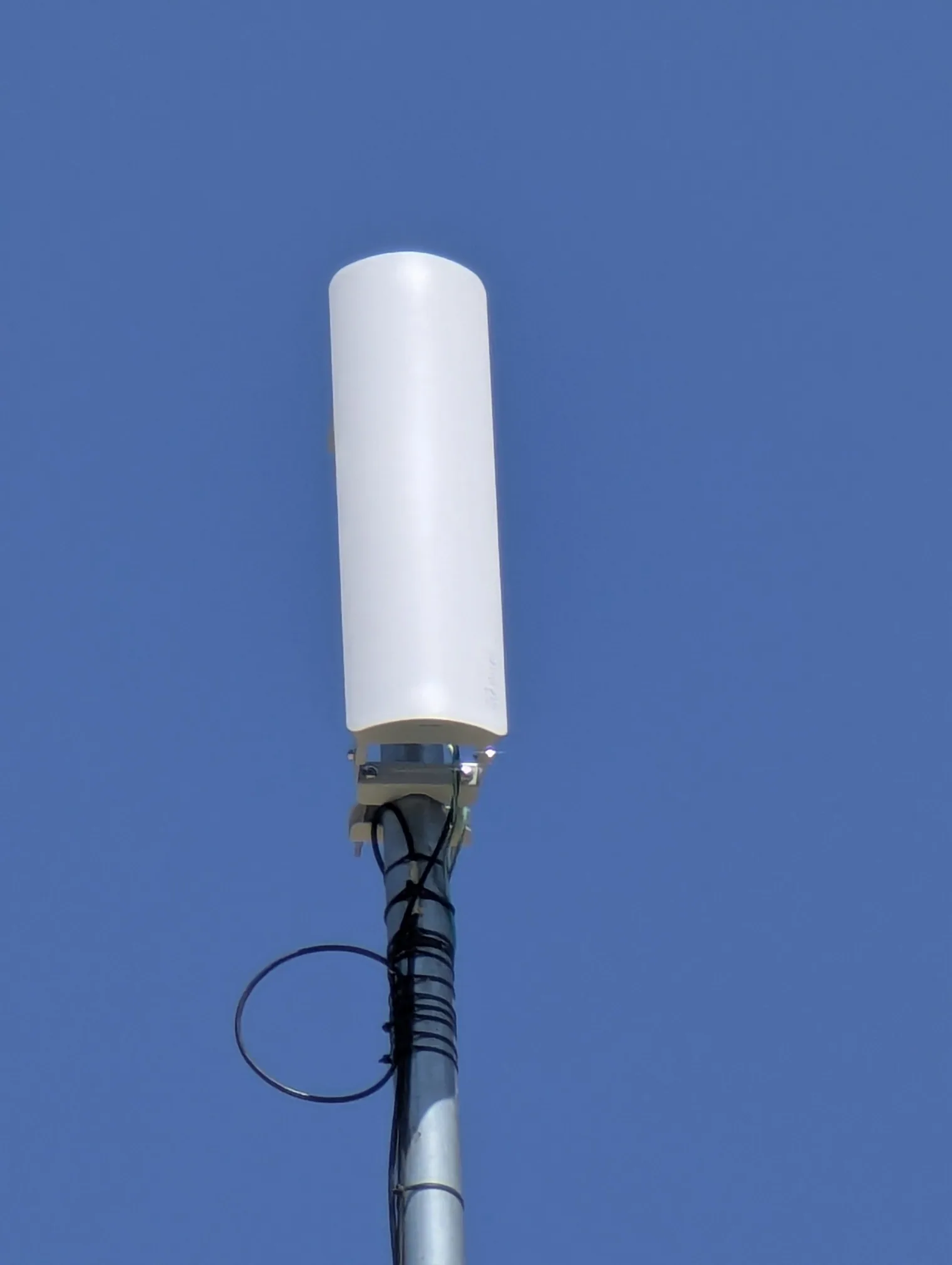
Our current strongest access points deliver around 80 Mbps total shared across up to 40 customers. The new equipment can deliver over 400 Mbps—a 5x speed boost.
Without increasing customers per access point, individual speeds are estimated between 50 and 200 Mbps depending on usage. This upgrade will improve lag and dropped calls affecting gaming, video chats, and voice services. Most problems stem from the "last mile"—the final wireless link to homes—and this technology makes that connection far faster and more stable, representing a 10-year leap forward.
We're also upgrading key backbone radios with new Wave technology more resistant to bad weather, helping everyone stay connected during storms. Select area customers will be invited to try this next-generation Internet this summer.
Needed Repairs
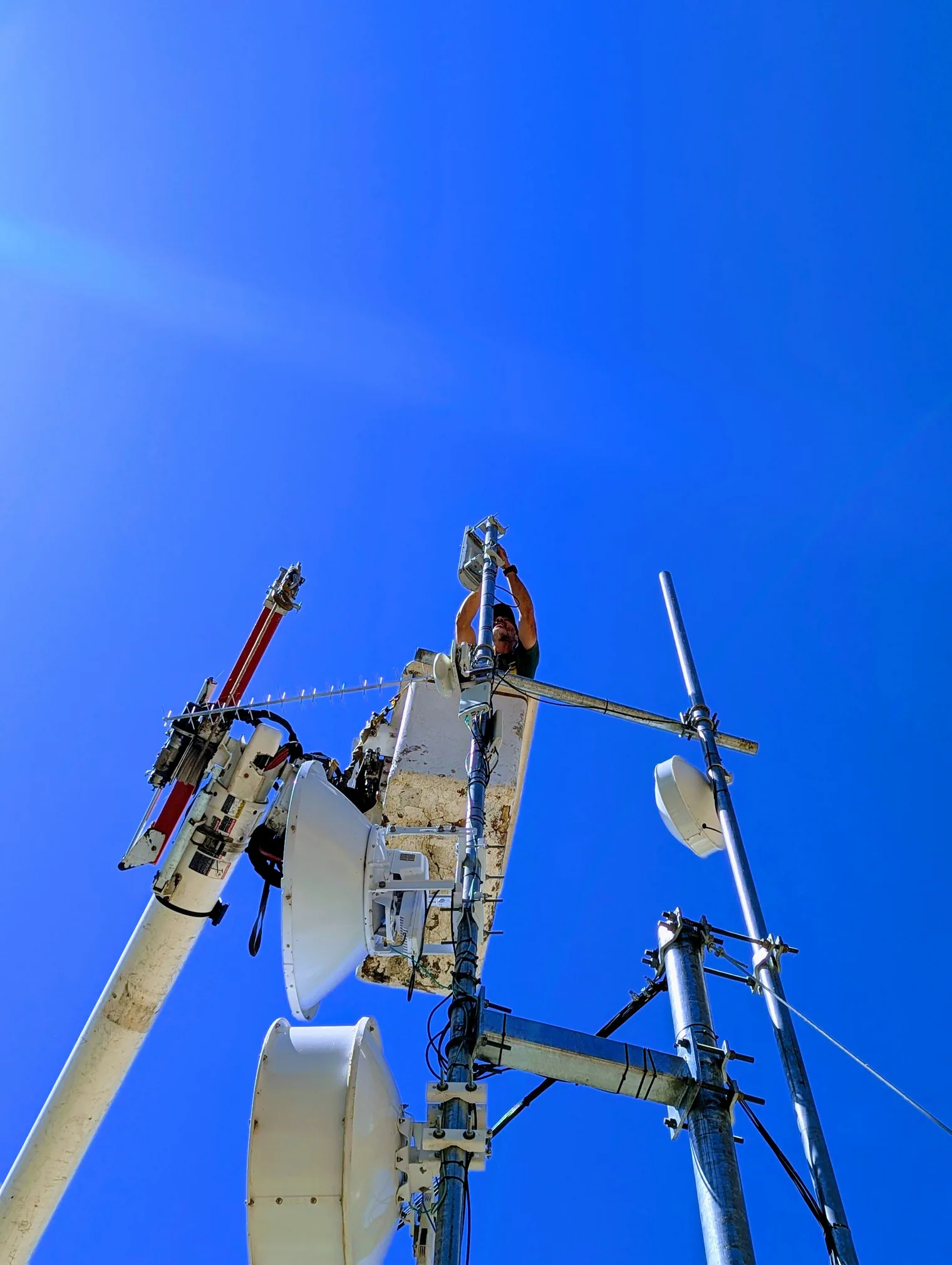
Last month, we discovered a hardware issue with a main access point at the RV Lot site, causing frequent slowdowns and connection drops for about 100 customers.
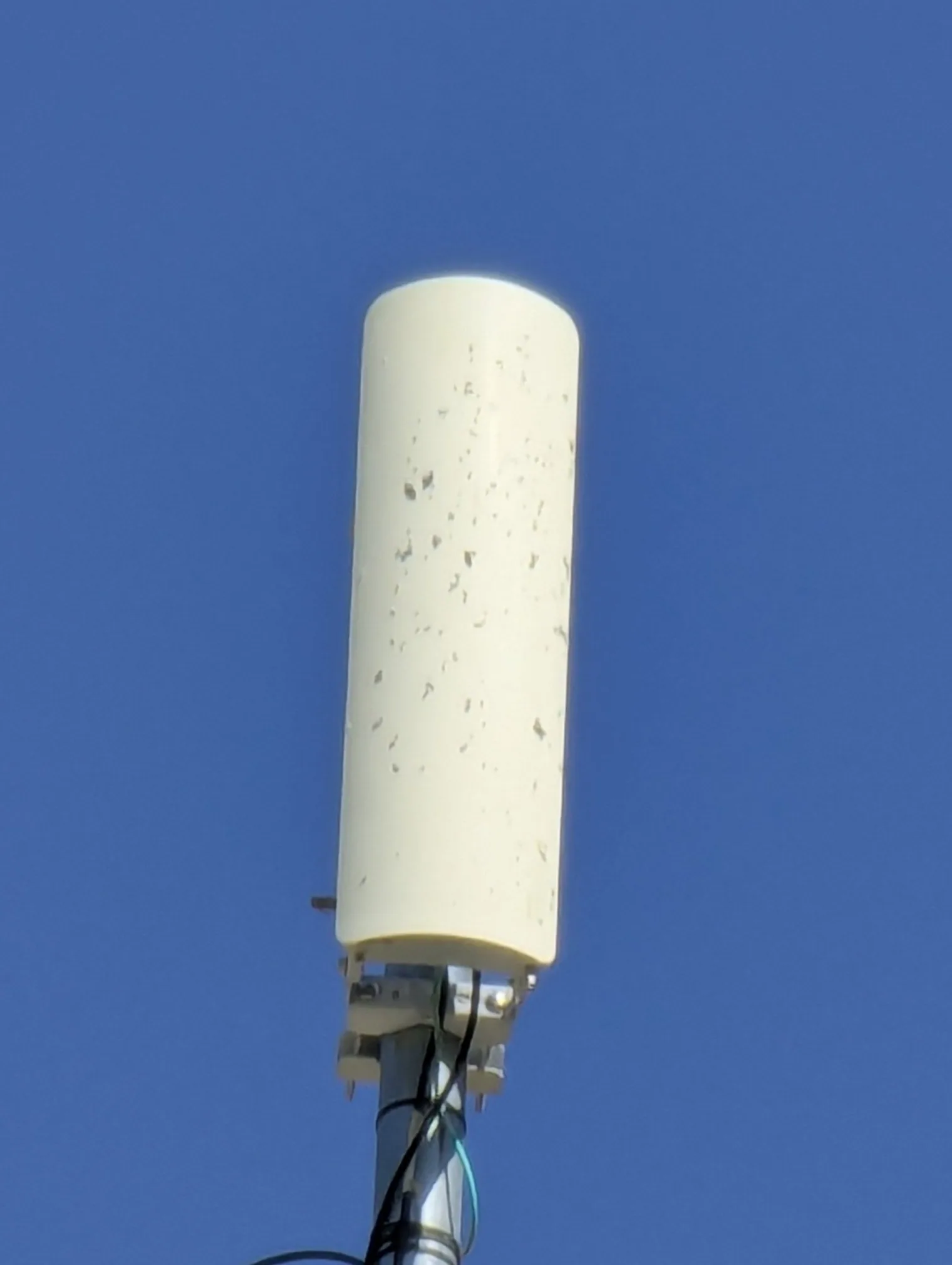
Once identified, we replaced it with a brand-new unit, restoring stability and improving performance in that area.
Stay Tuned for Monthly Updates
Reach out via:
- Support Hotline: (661) 242-5500
- Support Email: support@frazmtn.net